Module 10 · Clinical Specialty

Diabetes Management

Nutrition is the first line of nutritional management.

Master diabetes management at the level of certified diabetes educators. Learn the exact insulin-dosing formulas, glycemic management protocols, and integrative phytotherapy approaches that elevate practice from generic to clinical-grade.

15+
Clinical Topics
3
Insulin Formulas
PDF
Resources
Lifetime Access
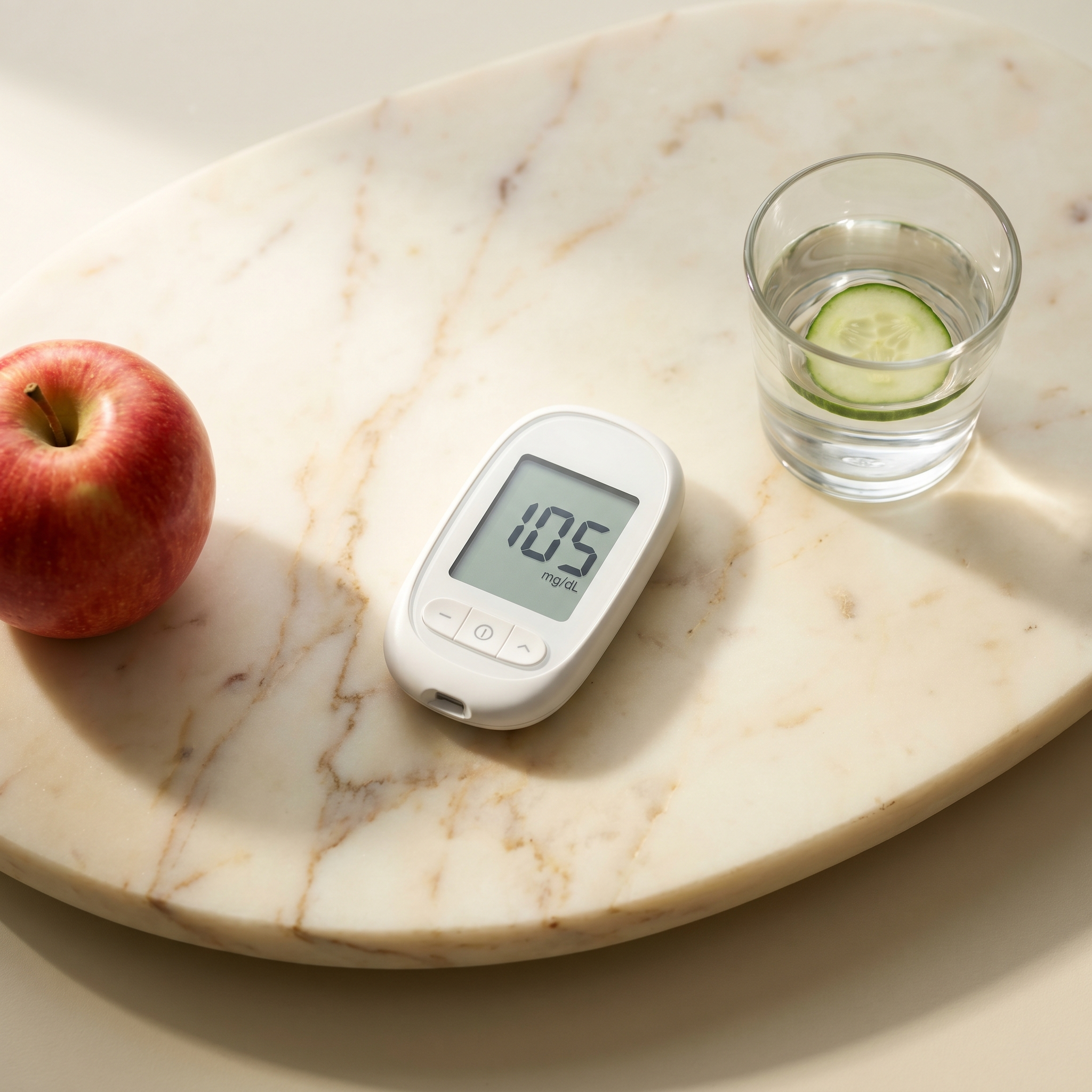
Diabetes Management course — clinical nutrition

Module Content

What You'll Master Master

Real clinical methods, evidence-based protocols, and the exact formulas used by certified diabetes educators worldwide. Whether you're starting from foundations or refining a practicing skillset — this module meets you where you are.

Diabetes Classification

The Full Diagnostic Spectrum

Pre-diabetes (Impaired Fasting Glucose, Impaired Glucose Tolerance), Type 1 Diabetes, Type 2 Diabetes, and Gestational Diabetes — distinguishing features, pathophysiology, and nutritional management implications.

Reference range: 0.70–1.20 g/L (3.9–5.9 mmol/L)

Macronutrient Protocol

Macros That Actually Control Glucose

The clinical macronutrient distribution for diabetes management — carbohydrate timing and quality, low-GI prioritization, protein targets, and the inconclusive but important question of fat type vs amount.

Carbs 45–65% (low GI) · Protein 15–20% · Fat within normal range

Integrative Phytotherapy

Plants & Essential Oils Protocols

Body-weight-based dosing for clinical phytotherapy: olive leaves, Gymnema, Mugwort, Rosemary Eklil, Frankincense (El louban), Green tea — with infusion preparation, frequency, and nutritional management duration cycles.

EO dosage: 1 drop per 25 kg body weight, 1–3× daily

Essential Oil Therapy

Three EOs That Move the Needle

Rose Geranium (pancreatic stimulant — promotes insulin release), Rosemary verbenone (lipolytic — supports balanced diabetes), Lemon EO (limonene/beta-pinene — reduces CVD risk in T2DM).

Duration: 5 days nutritional management, 2 days rest, 3 weeks max

Clinical Highlight

The Three Insulin-Dosing Formulas

These are the exact calculations used by certified diabetes educators worldwide. After this module, you'll apply them with confidence — for Type 1, Type 2, and gestational patients.

The 500 Rule

ICR — Insulin-to-Carb Ratio

500 ÷ TDD

Tells you how many grams of carbohydrates are covered by 1 unit of rapid-acting insulin. Example: TDD 40 units → ICR = 12.5 g carbs per unit.

The 1800 Rule

ISF — Insulin Sensitivity Factor

1800 ÷ TDD

Shows how much 1 unit of insulin lowers blood glucose (mg/dL). Example: TDD 40 units → ISF = 45 mg/dL drop per unit.

The 100 Rule

Correction Factor

100 ÷ TDD

For rapid-acting insulin (mmol/L). Used when blood glucose is high before a meal. Example: TDD 40 units → 2.5 mmol/L correction per unit.

Full Curriculum

Everything Covered

A comprehensive breakdown of what's inside this module.

Section 1 — Foundations

  • Definition and pathophysiology of diabetes — insulin role, beta-cell function, glucose homeostasis
  • Categories of glucose intolerance: Impaired Fasting Glucose (IFG), Impaired Glucose Tolerance (IGT)
  • Type 1 Diabetes: autoimmune mechanism, body composition implications
  • Type 2 Diabetes: insulin resistance + progressive beta-cell decline
  • Gestational Diabetes: diagnosis, management, post-pregnancy follow-up
  • Diagnostic blood glucose thresholds and clinical interpretation

Section 2 — Insulin Types & Macronutrient Management

  • Types of insulin: rapid-acting, short-acting, intermediate, long-acting, premixed
  • Carbohydrate management — why low-GI is preferred, fiber-rich source prioritization
  • Protein targets: 15–20% of total calories
  • Fat: amount inconclusive but type matters for CVD risk reduction
  • The effect of insulin on each macronutrient

Section 3 — Insulin Dosing Formulas (The Clinical Core)

  • Insulin-to-Carb Ratio (ICR) — the "500 Rule"
  • Insulin Sensitivity Factor (ISF) — the "1800 Rule"
  • Correction Factor — the "100 Rule"
  • Full worked example: combining meal coverage + correction for elevated pre-meal BG
  • Adjusting calculations across rapid-acting insulin protocols

Section 4 — Integrative Phytotherapy

  • Olive leaves: 3 cups/day before meals, 8-week nutritional management cycle
  • Gymnema: 50 cl infusion, 1–2× per week (also available in capsule form)
  • Mugwort, Rosemary Eklil, Green tea, Frankincense (El louban) — dosing and frequency protocols
  • Rose Geranium essential oil: pancreatic stimulant for insulin release
  • Rosemary verbenone EO: lipolytic (ketones, terpenes — supports balanced diabetes)
  • Lemon essential oil: CVD risk reduction in Type 2 patients
  • EO safety, dilution rules, contraindications, and pregnancy/pediatric cautions

For Whom

Who This Module Is For

Clinical teams, students, and motivated patients — same evidence-based depth, paced for how you learn.

  • Clinical practice

    Healthcare Professionals

    Doctors, pharmacists, nurses, and dietitians who manage diabetic patients and want certified educator–level formulas they can apply in clinic the same week.

  • Education

    Students & Beginners

    Medicine, biology, and nutrition students building a clinical foundation — clear lessons, worked examples, and PDF references you keep forever.

  • Self-management

    Type 1 & Type 2 Patients

    People living with diabetes who want to understand insulin math, meal timing, and integrative options — explained clearly, without jargon overload.

What You Get

Included With Enrollment

PDF Resource Library

Downloadable formulas, dosing tables, and reference protocols.

Completion Certificate

Certificate of completion to add to your professional credentials.

Lifetime Access

Study at your pace. Return to any topic, any time.

Any Device

Mobile, tablet, or desktop. Watch, study, and apply anywhere.

Start Now

Master Diabetes Nutrition.

One module · Lifetime access · Real clinical formulas · Official certificate of completion. Plus a 30-day money-back guarantee.

Want to receive push notifications for all major on-site activities?